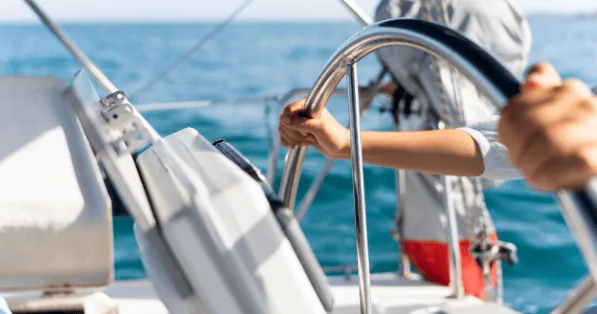
When you’re preparing to earn a boating certification, it’s normal to wonder if all that theory you’re studying will ever come in handy. Nautical charts, regulations, meteorology, navigation aids, safety… The syllabus can seem overwhelming when your only goal is to get out on the water and enjoy the sea.
However, after just a few days at sea, you’ll discover that much of that knowledge comes up constantly in real-life situations. We use some of it consciously, while other aspects end up becoming habits that we apply almost without realizing it.
Experience is essential to becoming a good boss, but experience is only useful when there is a solid foundation on which to build it.
We check the weather forecast before every outing
Few skippers set out to sail without first checking the weather forecast. What seemed like a theoretical subject during training ends up becoming an indispensable practical tool.
Understanding wind direction and speed, interpreting a weather report, and identifying changes that could affect navigation are routine steps taken before every outing.
Unfavorable weather forecasts may cause you to change your destination, alter your route, or even decide to stay in port. And in many cases, that decision is precisely what prevents problems down the road.
The rules of the road apply to every voyage
Although we may not always realize it, the rules of right-of-way among vessels are part of any day at sea.
Encounters with other boats, entering and leaving the harbor, anchorage areas, or navigating in busy waters are situations where the rules learned during training become particularly important.
Knowing who must yield the right of way and how to act in each situation not only helps you avoid penalties, but also reduces risks and improves harmony among boaters.
Safety is no longer just a theory when you're browsing
During nautical training, a great deal of time is devoted to safety equipment, emergency procedures, and communications.
The reality is that most captains hope they’ll never have to use this knowledge. However, knowing where each safety item is located and how to respond to an incident provides a tremendous sense of peace of mind on board.
Before leaving, it's a good idea to check:
- Life jackets.
- Battery status.
- Fuel available.
- Communication equipment.
- Required safety equipment.
These are routines that stem directly from the training they have received.
Route planning is much more important than it seems
One of the most common mistakes made by novice skippers is to think that sailing is simply a matter of heading toward a specific point.
Actually, A good sailing trip begins long before you cast off. Planning your route, researching possible shelters, checking water depths, and identifying areas of maritime traffic allows you to navigate much more safely.
There are now digital tools that make this task much easier, allowing you to record routes, look up relevant information, and plan each outing with greater precision.
Navigation aids and markers remain essential
Although we now have highly advanced chartplotters, mobile apps, and GPS systems, navigational aids remain a constant point of reference.
Recognizing a side buoy, identifying a cardinal mark, or interpreting a light during night navigation are skills that continue to have direct practical applications.
Technology helps, but understanding what is happening around the boat remains the skipper's responsibility.
Experience is important, but training continues to make a difference
There is a saying often repeated among sailors that perfectly sums up this idea: Experience is no substitute for training, and training is no substitute for experience.
Every voyage brings new lessons, but having a solid technical foundation helps you make better decisions from day one. That’s why many skippers continue to expand their knowledge even after earning their certification.
The online boating courses have become a convenient and flexible way to continue learning. Platforms such as Nautick They allow you to delve deeper into different areas of sailing and continue to grow as a skipper.